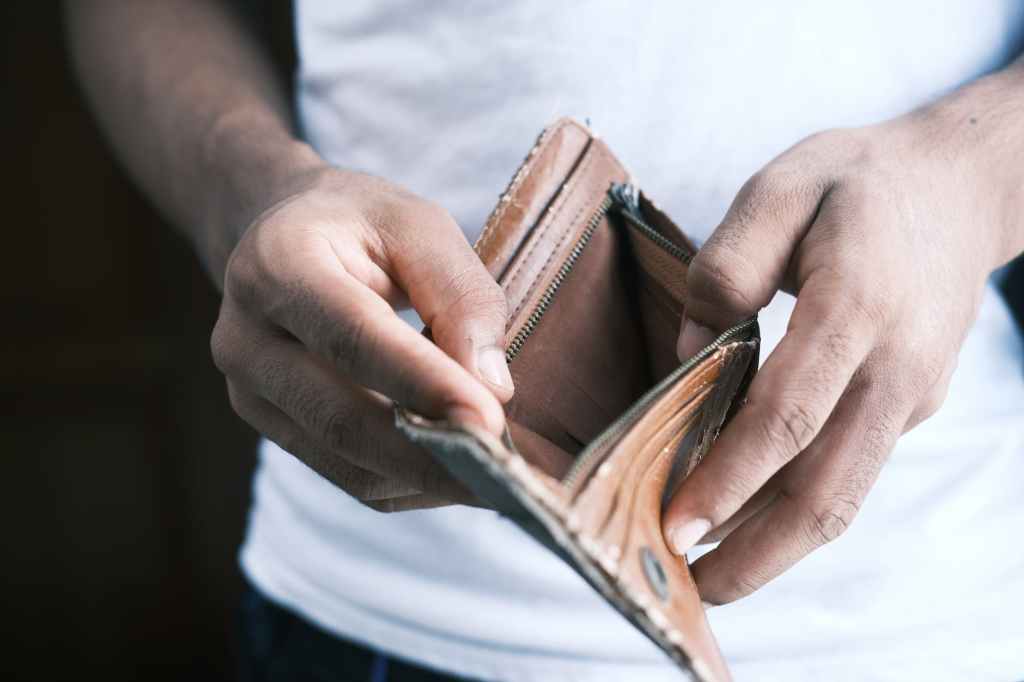
By proactively building emergency reserves, you will be able to respond to life’s crises without compromising your financial standing, or taking on expensive debt.
The coronavirus pandemic has demonstrated how unpredictable life is. Over the last quarter, we have all been reminded how quickly our circumstances can change. If we think back to what was keeping us up at night six months ago, very few of us were even remotely concerned about the impact that a new communicable disease would have on life as we know it. Yet, millions of people have been infected with the virus, and hundreds of thousands have died. In addition, these numbers are set to increase.
Beyond the tragic toll that the pandemic has exacted on our health and wellbeing, the virus has had a devastating economic effect around the world – decimating economic activity and forcing many aspects of global trade to grind to a halt.
Calling it “the worst economic downturn since the Great Depression”, the International Monetary Fund has projected that global growth will fall by 3% this year due to the pandemic. The International Labour Organisation estimates that the COVID-19 crisis has wiped out 6.7% of the world’s working hours in the second quarter of 2020, which translates to approximately 195 million full-time jobs. A TransUnion study conducted in May revealed that 82% of the South African residents surveyed reported that their household income had been negatively impacted by the response to the pandemic.
These movements have brought households around the world to their knees, as thousands of businesses have been forced to close, and millions have been forced into unemployment and ultimately bankruptcy.
THE ROLE OF AN EMERGENCY FUND
We often hear that failing to plan is planning to fail. This is particularly true when it comes to our finances. As humans, we tend to feel optimistic about the future and, as a result, most of us don’t start each year anticipating fender benders, job losses, geysers bursting and medical emergencies – or pandemics, for that matter. However, these rainy days are unfortunately an inevitable part of life. A robust financial plan should make provision for the unplanned expenses that catch us off guard and place pressure on our budgets.
All investors should ensure that they have a sufficient emergency fund in place. In fact, it is a good idea to consider this as a starting point for your portfolio, although it is never too late to start one. It may be helpful to think of an emergency fund as a form of personal insurance for your long-term investments.
An emergency fund will provide you with access to money and prevent you from abandoning your long-term financial plans when unexpected expenses or emergencies threaten to compromise your financial health.
Long-term investment products, including retirement annuities and tax-free investments, are designed to help you grow your capital over long periods of time. These products have several benefits and restrictions to assist you in achieving your goals. You cannot usually access the funds in your retirement annuity before you reach retirement age and you lose out on the long-term benefits of tax-free investments when you make premature withdrawals. With long-term goals in mind, many investors pick underlying investments with higher equity exposure for these products. This is usually appropriate, as long time frames iron out the ups and downs of the market allowing investors to benefit from greater growth over time than lower-risk investments.
How much is enough?
An emergency fund should ideally contain enough savings to cover at least three times your monthly expenses. This will help you to self-fund your day-to-day expenses and meet your monthly debt obligations if you can’t earn an income. While this amount of money might seem like an unrealistic target, a good initial target would be to reduce your expenses to 80% of the income you take home. If you save the other 20% it will take you about a year to build up your emergency fund. The trick is to save or invest that money as soon as you receive your salary, or even better – set up a debit order so a fixed amount goes into a separate savings account automatically. In addition, it’s important to realise that every little bit helps – anything you decide to save each month is better than nothing. The key is to break the hand to mouth pattern, and it starts with getting a grip on your expenses.
Think about liquidity
Cashing in any of your long-term investments to get you through a crisis during a market downturn could mean selling at a low and even walking away with less money than you contributed. Having an emergency fund in place will help you to avoid this worst-case scenario.
Ideally, you should consider placing your emergency fund in an investment vehicle that aims to preserve your capital over the short term. Your investment should also be easily accessible. Many products, such as fixed deposits and other notice accounts, may offer slightly higher interest rates than a traditional savings account, but prove impractical when you need to access the funds immediately.
As most of us lack the discipline required to keep our hands off our emergency savings, it is also better to keep your emergency fund separate from your day-to-day accounts, to avoid dipping into it.
Consider parking your emergency fund in a low-risk investment, such as a money market fund, which aims to deliver higher returns than a bank deposit, and can be accessed in a short space of time if disaster strikes.
Breaking the barriers and getting started
Saving more than three months’ monthly expenses can be daunting, particularly when you are already under financial pressure, but this should not deter you from getting started. Many financial advisers encourage those paying off large amounts of debt to start building their emergency funds as they pay off their debts. This can help prevent turning to even more debt in times of crisis.
Another reason many of us fail to get started is that we have taken out comprehensive insurance to cover the most common emergencies. This can give us a false sense of security. While income protection and short-term insurance policies have an important role to play as part of a well-thought-out financial plan, an emergency fund is invaluable when an insurance claim is delayed or disputed, or when your emergency falls outside the scope of what you are covered for.
An independent financial adviser can prove invaluable as you build your emergency fund by helping you set an appropriate target and holding you accountable to ensure that you stay the course.
If you have not started building your emergency fund, the best time to do so is right now. Evaluate your current expenses and explore ways to cut back until you reach your target. Every little bit counts.
ryno@louwnet.co.za or 0645335339
 First Investment